Therapy for Relational Trauma & Eating Disorders —in Santa Ana, CA
Intuitive Eating & Depth-Oriented Therapy
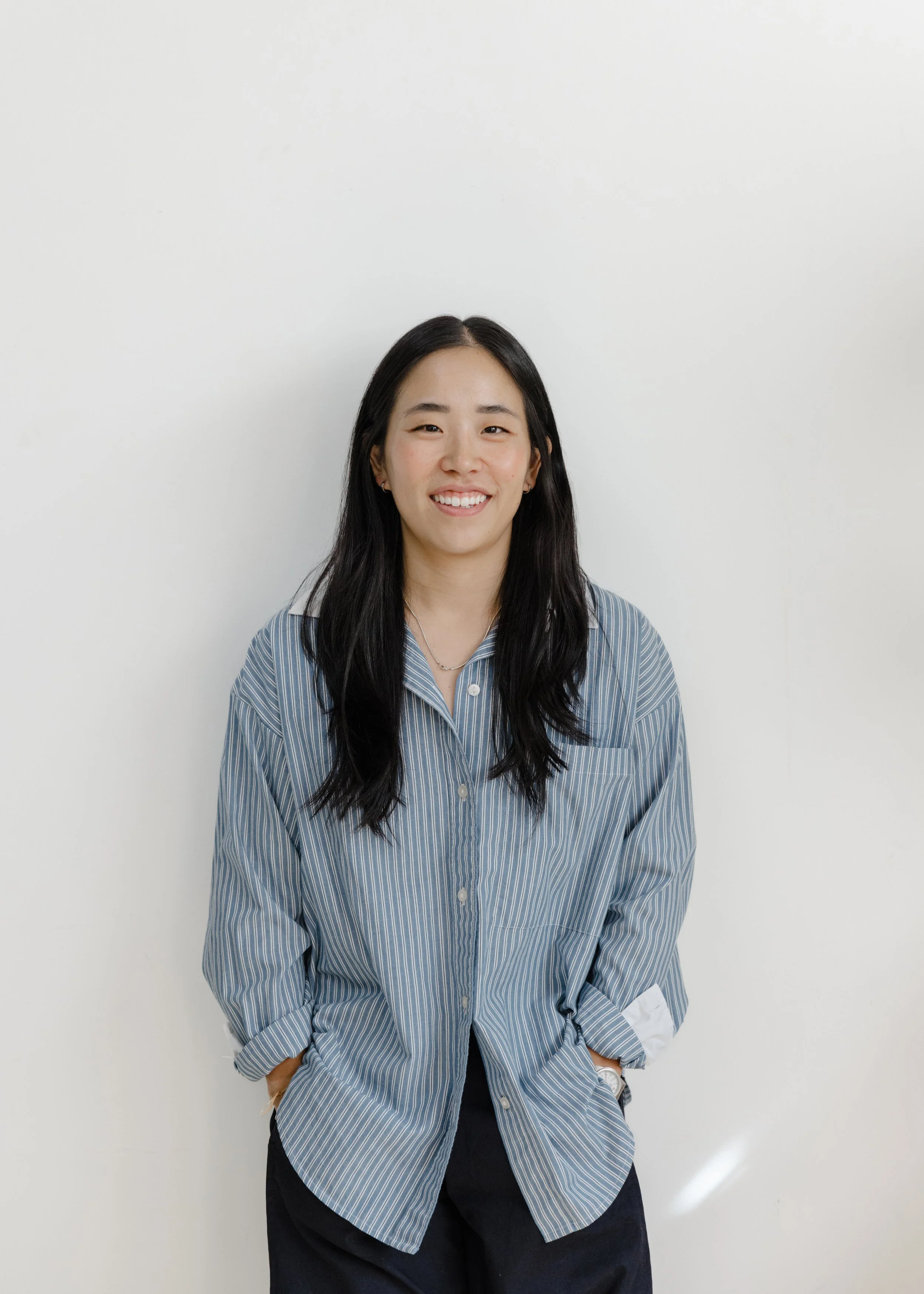
You’re thoughtful, self-aware, and used to figuring things out. But there are some things you can’t think your way through—your relationship with food, the way your family still affects you, or the patterns that keep showing up in your relationships.
You need someone who can see past how well you carry it.
I’m Marissa Honjiyo - a licensed marriage and family therapist. I like to describe myself as honest, kind, but no bullshit. I’ll shoot straight from the hip, challenge you when it’s useful, and tell you what I’m noticing. If something is keeping you stuck, we’ll talk about it. If a pattern keeps showing up, we’ll get curious about it together. I take the work seriously and work well with people who think fast, make connections quickly, and want a therapist who can actually keep up.
I specialize in relational trauma and eating disorders. I work with adults who overthink, take on too much responsibility, and keep getting pulled into the same relationship patterns.
In the same way we are hurt in relationship, I also believe that healing happens in relationship. Our work can help you understand yourself more deeply, work through family-of-origin patterns, and build relationships that feel less reactive and more secure.
My approach is grounded in attachment theory, relational therapy, and psychodynamic therapy. I’m also trained in Brainspotting Level 1 and Restoration Therapy Level 2.
If you’re ready to do the work, therapy with me can be a place to stop repeating the same patterns, understand what’s driving them, and create real change.
Why Start Therapy?
Food and your body are taking up too much space
You’re tired of the rules, guilt, checking, comparing, or constantly feeling like you should be doing something to change yourself.
Critical or Emotionally Unavailable Parents
A conversation with a critical or emotionally unavailable parent can leave you feeling guilty, angry, inadequate, or right back in an old role.
Closeness is harder than you think it should be
Maybe you pull away, take on too much, or struggle to say what you actually need. You want connection, but old ways of protecting yourself keep getting in the way.
You know what you want—and still feel guilty choosing it
You may know what you want and still feel guilty saying no, disappointing someone, or putting yourself first. Even when you understand the pattern, trusting yourself enough to act differently can be harder.

Credentials
Bachelor of Arts in Psychology
Masters of Science in Marriage and Family Therapy
License #152112
Brain Spotting Level I
Restoration Therapy Level II